

Virar Building Collapse 2025: Tragedy, Relief Updates, and Devendra Fadnavis’ Response
 Virar Building Collapse
Estimated reading time: 19 minutes
Thank you for reading this post, don't forget to subscribe!Virar Building Collapse (2025): Tragedy, Relief Efforts, and Devendra Fadnavis’ Response Explained
The morning of 27 August 2025 changed everything for the people of Virar. When a four-storey building tumbled down, it sent shock waves through the community. Sirens pierced the air as teams raced against time, searching for survivors and carrying the injured to safety.
Families waited with aching hearts, hoping for good news that rarely came. At least two people lost their lives, many more were trapped or hurt, and rescue workers worked round the clock. Maharashtra’s Chief Minister, Devendra Fadnavis, stood before cameras and crowds with a deep sadness in his voice and promised help for those affected.
This tragedy is not just about loss, it’s a stark reminder of the risks faced by thousands living in similar conditions. The incident matters to readers because it exposes the fragility of urban life and shines a light on the urgent need for safety and accountability. If you care about city living, public safety, and how leaders respond when disaster strikes, this story matters now more than ever.
Watch on YouTube: https://www.youtube.com/watch?v=FwgC_itHnws
Overview of the Virar Building Collapse
The tragic collapse of a four-storey building shook the small town of Virar on 27 August 2025. This incident has not only caused devastation for families but exposed harsh realities about construction safety in the region. Below is a clear account of what unfolded on that day and how emergency services responded swiftly in the chaos that followed.
What happened on 27 August 2025
Just before dawn broke, at around 5:45 am, residents in Virar’s Vijay Nagar area were startled by a sudden, thunderous crash. The Ramabai Apartment, an unauthorised four-storey residential building, came crashing down unexpectedly. Within seconds, dust and debris filled the air while terrified neighbors rushed towards the rubble.
The building housed nearly 50 flats, crammed with families starting their day. The collapse reduced the sturdy-looking block to a chaotic mound of concrete and twisted metal. Local eyewitnesses described hearing cracking sounds moments earlier but had no time to warn the inhabitants.
As the sun peeked through the skyline, rescuers and bystanders scrambled to clear debris and locate survivors. The silence that followed was broken only by the frantic cries of trapped occupants and the rush of emergency services being mobilised.
The cause of the collapse is suspected to be structural failure due to poor construction and the building’s unauthorised status. At least 15 people lost their lives, and many others were injured or trapped in the wreckage, leaving a community in shock and mourning.
Immediate response and rescue efforts
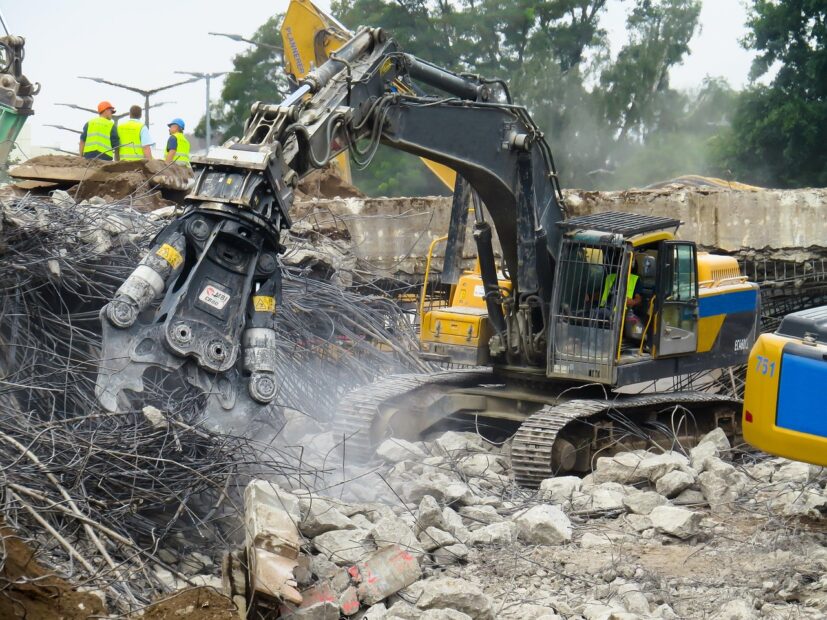
The disaster triggered an urgent response from multiple agencies. Within minutes, the Virar police rush to the scene, securing the site to prevent further harm. Fire services arrived with specialised equipment like hydraulic cutters, thermal imaging cameras, and search cameras to detect signs of life beneath the rubble.
Crucially, India’s National Disaster Response Force (NDRF) was deployed swiftly. Their expert teams used sophisticated tools such as:
- Concrete cutters to dismantle debris carefully
- Sniffer dogs to detect human scent
- Infrared and seismic sensors to locate survivors
- Heavy lifting cranes to move large pieces of debris safely
These coordinated efforts focused on the narrow and dangerous task of rescue, working round the clock with urgency. In the first 48 hours, rescuers managed to pull out more than 30 people alive, many suffering from injuries but given immediate medical care on site or transported to nearby hospitals.
Despite the heroic efforts, officials warned that the scale of destruction and unstable rubble made rescue operations highly difficult. Clear communication was maintained with families waiting anxiously, and support teams were deployed to counsel and assist the affected.
The coordination between police, fire services, and the NDRF highlights the commitment to saving lives amid tragedy. But the rescue also serves as a grim reminder of the consequences when construction rules are ignored.

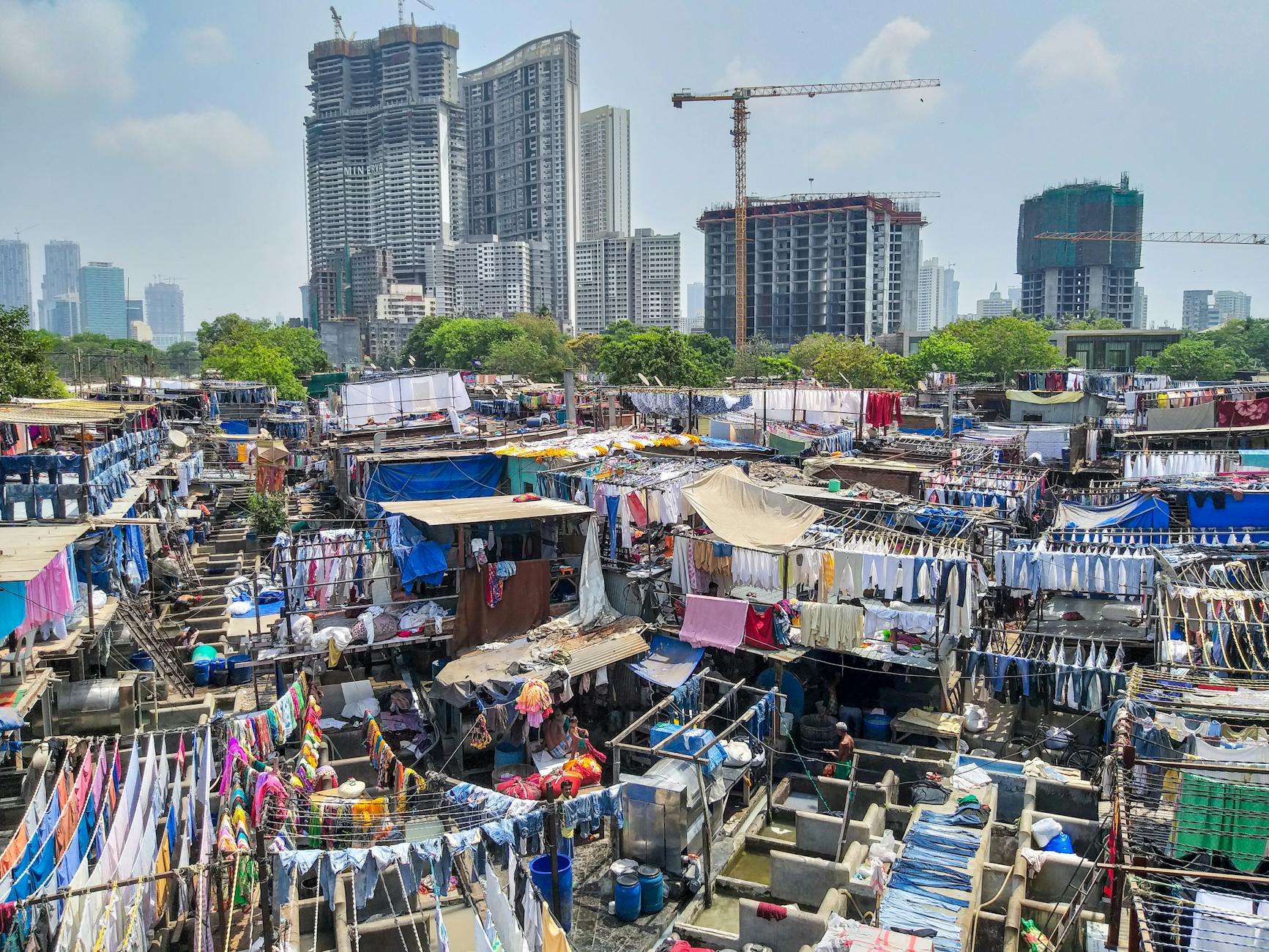
Photo by samimibirfotografci
For more on the ongoing situation and expert commentary, see this detailed update from NDTV.
Government Reaction and Statements
After the Virar building collapse, the government response was swift and aimed at both comforting the victims’ families and promising immediate assistance. Maharashtra’s Chief Minister, Devendra Fadnavis, made official statements that reflected not only the gravity of the tragedy, but also a commitment to support those affected. Below, we break down the key elements of his public reaction and the state’s aid announcement.
Devendra Fadnavis’ expression of grief
Devendra Fadnavis addressed the public with a message that conveyed sincere sorrow and solidarity with the victims’ families. His tone was solemn and heartfelt as he acknowledged the scale of the loss and suffering caused by the collapse. In his message, he expressed deep condolences, stating, “My deepest condolences to their families. We share their grief in this difficult time. We stand with the bereaved families.” This simple but powerful expression of empathy was crucial in reassuring people that their pain was recognised at the highest level.
Fadnavis’ statement went beyond just formal words of sympathy. By publicly sharing grief, he emphasised the human cost of the disaster, putting faces and families at the centre of the conversation. This shows the importance of empathy from leaders, particularly in times of crisis. Offering compassion openly helps build trust and provides emotional support to those grieving, reminding the public that the government understands their hardship.
The Chief Minister’s message also worked to calm rising concerns and grief within the community, projecting calm leadership during a chaotic moment. It reminded everyone that those suffering loss were not alone, but backed by the state’s resources and care.
You can view his official condolences on social media, where he kept the public informed and connected during this difficult period: Devendra Fadnavis’ official statement.
Announcement of financial aid
In a direct response to the immediate needs of the affected families, Devendra Fadnavis announced that the government would provide a compensation package of Rs 5 lakh to each family impacted by the collapse. This decision was made swiftly to offer financial relief to those facing sudden loss and hardship.
The amount, Rs 5 lakh, was chosen as a significant sum to cover urgent expenses such as medical bills, funeral costs, and temporary shelter. While no sum can truly replace a lost loved one or home, this payment aimed to provide some immediate stability and help families start rebuilding their lives after the tragedy.
Timing was a key part of this promise. Fadnavis assured that the payments would be processed quickly, without bureaucratic delays, to reach the families within days. This promptness reflects an understanding of the harsh reality facing victims who suddenly find themselves struggling financially alongside emotional trauma.
The government’s communication made it clear this aid was part of a larger relief effort, including medical support and counselling services. It showed a willingness to back statements with action — something that is often demanded in crises but not always delivered.
This announcement underscored the state’s role not only as a protector but also as a provider in the face of disaster. More about government aid and compensation policies in similar disasters can be found here.
The response from Devendra Fadnavis and the government combined words of comfort with clear, practical aid. This balance is crucial when public confidence needs to be maintained, and victims need assurance that help is on its way.
Compensation Details and Impact on Families
After such a heart-wrenching disaster, financial help offers a glimmer of relief amid the overwhelming loss. The Maharashtra government, led by Chief Minister Devendra Fadnavis, quickly announced a compensation package designed to lessen the burden on affected families. Understanding how this support works and who qualifies reveals the real impact this aid has as families try to piece their lives back together.
Amount and eligibility criteria
The government has set a fixed ex-gratia amount of Rs 5 lakh for each family affected by the Virar building collapse. This figure was chosen to provide significant assistance covering immediate expenses such as medical treatment, funeral arrangements, and urgent shelter needs. While Rs 5 lakh cannot make up for a lost life or home, it acts as a concrete step towards easing financial pressure.
Not everyone affected qualifies automatically. The eligibility requirements include:
- The applicant must be a close family member of a victim either deceased or critically injured in the collapse.
- The victim must have been officially identified at the disaster site and confirmed by government agencies.
- The family must have relevant proof, such as death certificates, hospital records, or police reports linking the loss or injury directly to this incident.
- Only one application per family unit is accepted to avoid duplication.
This criterion ensures the assistance reaches those most impacted, while also maintaining clarity and fairness in distribution.
The sum aligns with compensation from previous government relief schemes in Maharashtra, like those awarded after similar tragedies reported by ANI News, which shows a consistent approach to disaster relief under Fadnavis’ administration.
Process for disbursement
Families do not have to navigate this alone. The government has put in place a structured application process to ensure timely and transparent payments.
Here’s how the disbursement works:
- Application submission: Families can apply through local government offices such as the municipal corporation or designated relief centres set up near the affected area.
- Documentation required: To support the claim, the following documents must be submitted:
- Death certificate or medical reports related to the injury
- Identity proof of the victim and the claimant (Aadhar card or voter ID)
- Proof of residence in Virar or surrounding areas
- Police or official disaster report confirming the victim’s involvement
- Verification: Officials from the revenue department and disaster management teams review each application carefully. They also conduct field verification if necessary.
- Approval and fund transfer: Once approved, the compensation amount is transferred directly into the bank account of the nominated family member through state government schemes.
The Maharashtra government is collaborating with local authorities and agencies such as the Maharashtra State Disaster Management Authority (MSDMA) to speed up processing. This coordination is vital to avoid delays typical in such relief efforts.
The state promised that families would receive payments within days after verification, reducing the waiting period so that help arrives when it matters most.
The method used here echoes the approach taken by Maharashtra in past tragedies, like the blast victims’ relief handled by Fadnavis’ office, ensuring families receive the amount directly and securely, as noted in a NDTV report.
This structured, easy-to-follow process demonstrates a serious commitment to accountability and swift action. More details on official procedures can be found on local government websites or through community support groups assisting victims during this difficult time.
Launching this compensation scheme clearly shows that financial assistance is not just a number on paper but a lifeline for families coping with sudden tragedy. It also serves as a reminder to authorities to prevent such catastrophes by enforcing stricter building safety norms.
Rescue Operations and Current Situation
The rescue efforts following the Virar building collapse have been intense and ongoing since the tragedy struck early on 27 August 2025. Teams from various agencies have combined their expertise, working relentlessly under difficult conditions to find survivors and secure the site. The disaster site remains a hive of activity, but danger still lingers, making careful coordination essential as rescue workers push on.
Role of NDRF and local agencies
The National Disaster Response Force (NDRF) has been central to the rescue operation at Virar, joined by local fire, police, and emergency teams. Their combined efforts showcase how national and state agencies can coordinate effectively under pressure.
- Coordination on the ground: The NDRF deployed two specialised teams, alongside local police and fire brigade units. Command centres were set up to streamline communication and assign tasks, ensuring no time was wasted in confusion.
- Equipment used: Teams brought in heavy machinery like hydraulic cutters, cranes, and concrete breakers to carefully remove debris. Plus, thermal imaging cameras, sniffer dogs, and seismic sensors helped detect signs of life in the rubble.
- Challenges faced: Rescuers had to navigate unstable debris piles that risked further collapse. The compact layout of the collapsed building made accessing trapped areas difficult. Weather conditions and the urgency of finding survivors heightened stress and complexity.
Despite these obstacles, the joint efforts have kept the rescue work moving steadily. Quick sharing of information between the NDRF and local emergency services prevented overlap and maximised effectiveness. Their teamwork reflects preparedness and training honed through past disasters.
Survivors rescued and ongoing risks
Rescue teams have successfully saved over 30 survivors from the collapsed building. Many were pulled out injured but conscious, and are now receiving medical care. At least 15 people sadly lost their lives in the incident.
- Condition of survivors: Most rescued individuals are stable but require ongoing treatment for injuries like fractures and respiratory issues due to dust inhalation. Emergency medical teams remain on-site and at nearby hospitals to support their recovery.
- Numbers saved: Over 30 survivors were found in the initial 48 hours of the rescue operation, a figure that underscores the rapid response and dedication of emergency teams.
- Reasons for continued danger: The site still contains unstable debris, making it hazardous for rescue workers. There is a risk of further structural collapse from shifting rubble. Rescue teams proceed with extreme caution to avoid putting themselves and survivors still trapped in greater danger.
Officials have confirmed that rescue work may conclude soon, but the site will remain cordoned off with safety measures enforced while investigations go on. The precarious condition of the remains is a reminder that while lives have been saved, the event is not over for those still waiting for news or closure.
For updates on the ongoing rescue efforts and official briefings, you can follow detailed coverage at NDTV.
Safety Concerns and Preventive Measures
The collapse in Virar highlights serious lapses beyond the immediate tragedy. It forces us to confront systemic safety issues in Maharashtra’s construction sector. Understanding where regulations fall short and how to fix the gaps is critical if we want to prevent similar disasters. Let’s look closely at the infractions that often go unchecked and explore practical ways to strengthen safety for the future.
Building code violations in Maharashtra
Construction laws exist to protect lives and property, but sadly, these rules have been routinely breached in many parts of Maharashtra. Common violations include:
- Unauthorised constructions: Many buildings, like the collapsed Ramabai Apartment, are built without proper permissions or approvals.
- Overcrowding and improper use: Structures often exceed permitted floor area or house more residents than intended by safety standards.
- Poor quality materials: Builders frequently cut corners with substandard concrete, steel, or workmanship just to save costs.
- Neglected maintenance: Aging buildings don’t receive timely repairs, weakening their structural integrity over time.
These breaches often stem from lax enforcement and corruption, while inspections tend to be superficial or infrequent. Reports suggest that the collapsed building had not undergone regular, thorough inspections despite clear risks. Prior cases in Palghar and other regions also reveal a pattern of ignored warnings and delayed action. The vacancy of adjacent porte-cochères or common areas, where the collapse happened, highlights the failure of proper structural checks.
Repeated inspection failures, combined with illegal construction, create a ticking time bomb under crowded neighbourhoods. Each ignored violation weakens the building’s ability to withstand daily wear or seasonal stress like heavy rains or seismic activity. Understanding how these breaches intertwine paints a clearer picture of why such collapses continue to occur.
For related details on past incidents and the scale of violations, Maharashtra’s history with building collapses shows a worrying trend, as reported in The Economic Times’ coverage of recent collapses.
Steps to avoid future collapses
Changing course demands more than harsh words after lives are lost. Preventive action needs to be firm, persistent, and broad-based. Key steps include:
- Stricter enforcement of building codes
Authorities must adopt a zero-tolerance approach for unauthorised constructions and code violations. This means swift legal action, demolition of illegal structures, and bans on repeat offenders. Technology like GIS mapping and drones can assist in monitoring unauthorised expansions. - Regular, rigorous audits
Buildings should face scheduled structural audits, focusing on critical safety elements. These inspections must be more than routine paperwork. Trained engineers need to physically check foundations, load-bearing walls, and maintenance records, especially in older buildings. - Community involvement and awareness programmes
Residents are often the first to notice cracks, leaks, or unusual sounds. Empowering local communities through safety workshops and help lines encourages timely reporting of hazards. Awareness campaigns must educate about the dangers of illegal construction and the importance of compliance. - Transparent public databases
Creating an accessible registry of all permitted buildings along with their last inspection date improves accountability. People can verify if their residence has passed safety checks and alert authorities if irregularities arise. - Strengthening penalties and accountability
Builders, developers, and officials involved in malpractice should face stiffer fines and criminal charges. Holding them personally liable will deter negligence and corruption.
These measures require commitment and coordination between government agencies, civic bodies, and citizens. Maharashtra’s urban growth demands it. Without action, the tragic lessons of Virar may repeat elsewhere.
More comprehensive strategies and policy suggestions for Maharashtra’s urban safety can be seen in reports like this India Today article on building safety reforms.
Taking these steps seriously could turn the tide against the tragedy that unfolded in Virar—moving towards safer homes and communities for everyone.
Public Reaction and Media Coverage
The collapse of the Virar building ignited a storm of reaction across social media platforms and traditional media outlets. This section unwraps how ordinary citizens, activists, and journalists voiced their feelings, concerns, and expectations. It also looks at how the media has scrutinised the government’s response, balancing between praise and criticism in a time when every word and action is intensely observed.
Social media response
Social media became a powerful platform where the public swiftly expressed shock, sorrow, and outrage over the tragedy. The immediate response saw a surge in activity with hashtags like #VirarCollapse, #JusticeForVirarVictims, and #SafeHousingNow trending across Twitter and Facebook. These tags served as rallying points, highlighting both grief and demand for accountability.
Public sentiment was a mix of grief and frustration. Many users shared heartfelt condolences and photos of vigils held across Maharashtra, showing communities coming together in mourning. Yet alongside the sympathy was a sharp critique of local authorities and builders. Netizens called out negligence and poor regulation, arguing the disaster was preventable if proper inspections had been enforced.
Several calls for action emerged strongly on social media:
- Demand for stricter building regulations and better oversight.
- Urgent accountability from government officials and developers.
- Transparent investigations with regular updates on rescue and relief progress.
- Support and protection for survivors and affected families.
The social media buzz helped keep the incident in the public eye, ensuring it stayed a priority on the political agenda. It also drove local leaders and agencies to communicate more openly, responding to public pressure for clarity and justice.
This online reaction shows that citizens no longer wait quietly during tragedies; they use digital voices to seek swift and meaningful change. To see how the ongoing coverage and public reactions mold the response, keep an eye on live social updates and verified news channels like NDTV’s detailed reports of the incident.
Media analysis of government response
Traditional media outlets moved quickly to report the unfolding situation and the government’s reaction. Across major newspapers and TV channels, the announcement by Devendra Fadnavis offering Rs 5 lakh compensation to the families was thoroughly covered. The coverage highlighted the gesture as essential relief, recognising the state’s effort to provide immediate support.
Some media praised the promptness and clarity of the government’s response, viewing it as a necessary show of responsibility amidst tragedy. Reports noted Fadnavis’ expressions of grief and commitment to aid families conveyed sincerity and a sense of leadership.
However, there has also been critical coverage. Several editorials questioned whether such announcements are enough, pointing to historic challenges with enforcement of building safety laws in Maharashtra. Some pieces criticised the government for not acting sooner to prevent the collapse by cracking down on illegal constructions. Questions about how the Rs 5 lakh compensation will be distributed fairly and quickly were raised, reflecting scepticism from affected communities.
Notable media voices urged for:
- A transparent, independent inquiry into the causes and accountability.
- Clear timelines for disbursing aid and assistance.
- A broader review of urban planning and housing policies in Maharashtra to stop similar disasters.
- More visible enforcement actions to deter future negligence.
This balanced coverage underlines the critical role of the press in holding authorities accountable while recognising emergency relief efforts. It keeps readers informed about both what is being done and what still needs doing.
For those interested in the latest government actions and expert commentary, trusted sources like Times of India’s updates offer continuing coverage.
Together, social media and traditional media continue to shape the conversation around the Virar collapse, making sure the tragedy remains more than just a headline but a call to urgent action.
Conclusion
The Virar building collapse has left a deep mark on families and the community, reminding us of the fragile line between safety and tragedy. Devendra Fadnavis’ rapid response, with heartfelt condolences and financial aid, showed the government’s resolve to support those impacted. Yet, comfort alone cannot heal the wounds without a firm commitment to prevent such disasters.
Stronger enforcement of building codes, regular inspections, and accountability must become the rule, not the exception. The lives lost and those affected call for action that protects every household before disaster strikes again. From tragedy, there must come change, and with it, hope that future generations will live in safer cities.